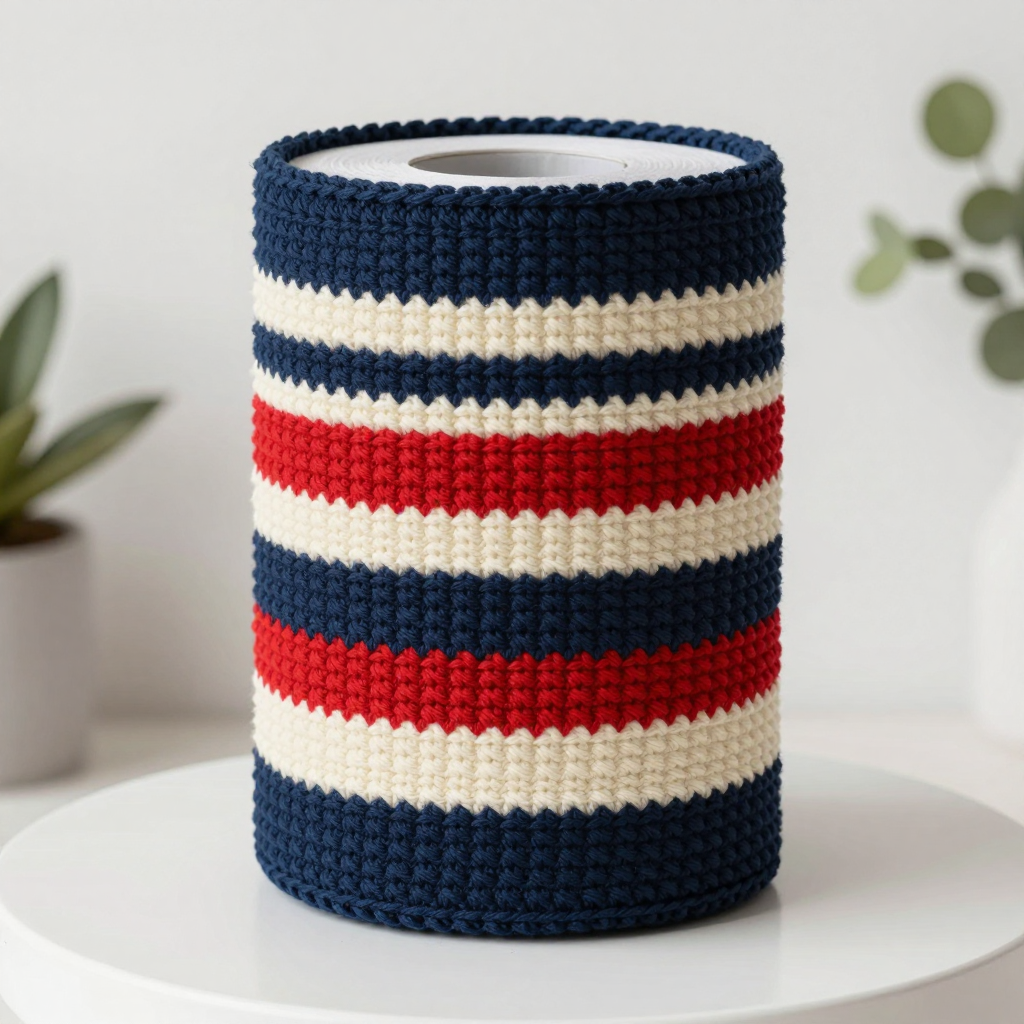
Circus Tent Triangle Lap Pad Free Crochet Pattern

Circus Tent Triangle Lap Pad: A Cozy First Crochet Project
If you have never held a crochet hook before, this is the perfect project to start with. The Circus Tent Triangle Lap Pad is a cheerful, striped triangle that you fill with rice and warm in the microwave for soothing heat on your lap, shoulders, or tummy. Worked entirely in single crochet (the most beginner-friendly stitch there is), it grows row by row from a tiny point into a bold scarlet-and-white circus tent with a sunny yellow border. The finished pad is soft, slightly plump, and about the size of a small cushion, and the pointed tip doubles as a handy loop handle so you can carry it from room to room. Best of all, every single row is written out for you below, so you never have to guess what comes next.
Materials Needed
- Yarn: Worsted weight (Category 4) acrylic or cotton yarn — approximately 180 yards scarlet red, 150 yards white, and 40 yards bright yellow.
- Crochet hook: Size H/8 (5.0 mm).
- Stitch markers: At least 4 (or use small safety pins or scrap yarn loops).
- Tapestry needle: A large, blunt-tipped needle with an eye big enough for yarn, for weaving in ends and sewing the base closed.
- Scissors for cutting yarn.
- Filling: 2 cups uncooked white rice (optional: 1/4 cup dried lavender for scent).
- Inner bag fabric: One 10 x 10 inch (25 x 25 cm) square of cotton muslin.
- Sewing needle and strong thread for the inner rice bag.
- Finished size: Approximately 20 inches (51 cm) wide at the base and 16 inches (41 cm) tall from point to base.
Abbreviations and Beginner Glossary
- ch – chain. Make a loop of yarn on your hook, wrap the yarn over the hook, and pull it through the loop. That is one chain stitch.
- sc – single crochet. Insert your hook into the stitch, wrap yarn over the hook, pull up a loop (2 loops on hook), wrap yarn over again, and pull through both loops. One loop remains.
- 2 sc in next st – work two single crochet stitches into the same stitch. This is an increase and makes the piece wider.
- st / sts – stitch / stitches. The little V-shaped bumps you work into.
- sl st – slip stitch. Insert hook into the stitch, wrap yarn over, and pull it through both the stitch and the loop on your hook in one motion. Used to join rounds.
- turn – flip your work over so you can work back across the row you just finished.
- row – one horizontal line of stitches worked back and forth (flat pieces).
- round – one complete circle of stitches worked around (used for the border and handle).
- fasten off – cut the yarn a few inches from your work and pull the tail through the last loop to lock it.
- weave in ends – thread a yarn tail onto a tapestry needle and sew it back and forth through the fabric so it disappears.
- whipstitch – a simple sewing stitch: bring the needle up through both layers, over the edge, and back down, repeating along the seam.
- row-end – the side edge of a row, where you place stitches when working a border along a diagonal.
- gauge – how many stitches and rows fit in 4 inches; it controls the finished size.
Gauge
16 sc x 18 rows = 4 inches (10 cm) in single crochet.
Gauge matters because it decides how big your finished pad will be. If your stitches are looser than the gauge, the pad will come out larger than 20 inches wide; if tighter, it will be smaller. To check, crochet a small square about 5 inches across in single crochet, lay it flat, and measure 4 inches in the middle. Count the stitches across and the rows up. If you have more than 16 stitches, try a larger hook; if fewer, try a smaller hook. Always measure the middle of the swatch, never the edges, which curl.
Beginner Tips Before You Start
- Count every row. This triangle grows by exactly 2 stitches every 4th row. If a row's stitch count does not match the number in parentheses, stop and recount before moving on.
- Do not pull your yarn too tight. Tension should feel relaxed. Tight stitches make the fabric stiff and hard to work into on the next row.
- Use a stitch marker in the first stitch of each row. The turning chain can look like a stitch and cause accidental increases. A marker shows you exactly where the row begins.
- Change colors on the last stitch of the previous row. Pull the new color through the final two loops of the last single crochet, then chain 1 with the new color. This keeps the stripes clean.
- Keep your stripes tidy. Leave 4–6 inch tails when changing colors and weave them in later; do not cut them too short or they will pop out.
- Work in good light and take breaks. Your hands will tire at first. Ten minutes at a time is plenty for your first session.
Step-by-Step Instructions
Note: The body is worked flat in single crochet from the point (narrow tip) to the wide base, changing color every 4 rows to create circus stripes. Every row is written out below so you can follow along without any guesswork.
Triangle Body
With scarlet, ch 2.
Row 1: 2 sc in 2nd ch from hook. (2 sc)
Row 2: Ch 1, turn. 2 sc in each st across. (4 sc)
Row 3: Ch 1, turn. Sc in each st across. (4 sc)
Row 4: Ch 1, turn. Sc in first st, 2 sc in next st, sc in next st, 2 sc in last st. (6 sc)
Row 5: Ch 1, turn. Sc in each st across. (6 sc)
Row 6: Ch 1, turn. Sc in first st, 2 sc in next st, sc in each st to last 2 sts, 2 sc in next st, sc in last st. (8 sc)
Rows 7–8: Ch 1, turn. Sc in each st across. (8 sc)
Change to white.
Row 9: Ch 1, turn. Sc in first st, 2 sc in next st, sc in each st to last 2 sts, 2 sc in next st, sc in last st. (10 sc)
Rows 10–12: Ch 1, turn. Sc in each st across. (10 sc)
Change to scarlet.
Row 13: Ch 1, turn. Sc in first st, 2 sc in next st, sc in each st to last 2 sts, 2 sc in next st, sc in last st. (12 sc)
Rows 14–16: Ch 1, turn. Sc in each st across. (12 sc)
Change to white.
Row 17: Ch 1, turn. Sc in first st, 2 sc in next st, sc in each st to last 2 sts, 2 sc in next st, sc in last st. (14 sc)
Rows 18–20: Ch 1, turn. Sc in each st across. (14 sc)
Change to scarlet.
Row 21: Ch 1, turn. Sc in first st, 2 sc in next st, sc in each st to last 2 sts, 2 sc in next st, sc in last st. (16 sc)
Rows 22–24: Ch 1, turn. Sc in each st across. (16 sc)
Change to white.
Row 25: Ch 1, turn. Sc in first st, 2 sc in next st, sc in each st to last 2 sts, 2 sc in next st, sc in last st. (18 sc)
Rows 26–28: Ch 1, turn. Sc in each st across. (18 sc)
Change to scarlet.
Row 29: Ch 1, turn. Sc in first st, 2 sc in next st, sc in each st to last 2 sts, 2 sc in next st, sc in last st. (20 sc)
Rows 30–32: Ch 1, turn. Sc in each st across. (20 sc)
Change to white.
Row 33: Ch 1, turn. Sc in first st, 2 sc in next st, sc in each st to last 2 sts, 2 sc in next st, sc in last st. (22 sc)
Rows 34–36: Ch 1, turn. Sc in each st across. (22 sc)
Change to scarlet.
Row 37: Ch 1, turn. Sc in first st, 2 sc in next st, sc in each st to last 2 sts, 2 sc in next st, sc in last st. (24 sc)
Rows 38–40: Ch 1, turn. Sc in each st across. (24 sc)
Change to white.
Row 41: Ch 1, turn. Sc in first st, 2 sc in next st, sc in each st to last 2 sts, 2 sc in next st, sc in last st. (26 sc)
Rows 42–44: Ch 1, turn. Sc in each st across. (26 sc)
Change to scarlet.
Row 45: Ch 1, turn. Sc in first st, 2 sc in next st, sc in each st to last 2 sts, 2 sc in next st, sc in last st. (28 sc)
Rows 46–48: Ch 1, turn. Sc in each st across. (28 sc)
Change to white.
Row 49: Ch 1, turn. Sc in first st, 2 sc in next st, sc in each st to last 2 sts, 2 sc in next st, sc in last st. (30 sc)
Rows 50–52: Ch 1, turn. Sc in each st across. (30 sc)
Change to scarlet.
Row 53: Ch 1, turn. Sc in first st, 2 sc in next st, sc in each st to last 2 sts, 2 sc in next st, sc in last st. (32 sc)
Rows 54–56: Ch 1, turn. Sc in each st across. (32 sc)
Change to white.
Row 57: Ch 1, turn. Sc in first st, 2 sc in next st, sc in each st to last 2 sts, 2 sc in next st, sc in last st. (34 sc)
Rows 58–60: Ch 1, turn. Sc in each st across. (34 sc)
Change to scarlet.
Row 61: Ch 1, turn. Sc in first st, 2 sc in next st, sc in each st to last 2 sts, 2 sc in next st, sc in last st. (36 sc)
Rows 62–64: Ch 1, turn. Sc in each st across. (36 sc)
Change to white.
Row 65: Ch 1, turn. Sc in first st, 2 sc in next st, sc in each st to last 2 sts, 2 sc in next st, sc in last st. (38 sc)
Rows 66–68: Ch 1, turn. Sc in each st across. (38 sc)
Change to scarlet.
Row 69: Ch 1, turn. Sc in first st, 2 sc in next st, sc in each st to last 2 sts, 2 sc in next st, sc in last st. (40 sc)
Rows 70–72: Ch 1, turn. Sc in each st across. (40 sc)
Change to white.
Row 73: Ch 1, turn. Sc in first st, 2 sc in next st, sc in each st to last 2 sts, 2 sc in next st, sc in last st. (42 sc)
Rows 74–76: Ch 1, turn. Sc in each st across. (42 sc)
Change to scarlet.
Row 77: Ch 1, turn. Sc in first st, 2 sc in next st, sc in each st to last 2 sts, 2 sc in next st, sc in last st. (44 sc)
Rows 78–80: Ch 1, turn. Sc in each st across. (44 sc)
Change to white.
Row 81: Ch 1, turn. Sc in first st, 2 sc in next st, sc in each st to last 2 sts, 2 sc in next st, sc in last st. (46 sc)
Rows 82–84: Ch 1, turn. Sc in each st across. (46 sc)
Change to scarlet.
Row 85: Ch 1, turn. Sc in first st, 2 sc in next st, sc in each st to last 2 sts, 2 sc in next st, sc in last st. (48 sc)
Rows 86–88: Ch 1, turn. Sc in each st across. (48 sc)
Change to white.
Row 89: Ch 1, turn. Sc in first st, 2 sc in next st, sc in each st to last 2 sts, 2 sc in next st, sc in last st. (50 sc)
Rows 90–92: Ch 1, turn. Sc in each st across. (50 sc)
Change to scarlet.
Row 93: Ch 1, turn. Sc in first st, 2 sc in next st, sc in each st to last 2 sts, 2 sc in next st, sc in last st. (52 sc)
Rows 94–96: Ch 1, turn. Sc in each st across. (52 sc)
Change to white.
Row 97: Ch 1, turn. Sc in first st, 2 sc in next st, sc in each st to last 2 sts, 2 sc in next st, sc in last st. (54 sc)
Rows 98–100: Ch 1, turn. Sc in each st across. (54 sc)
Change to scarlet.
Row 101: Ch 1, turn. Sc in first st, 2 sc in next st, sc in each st to last 2 sts, 2 sc in next st, sc in last st. (56 sc)
Rows 102–104: Ch 1, turn. Sc in each st across. (56 sc)
Change to white.
Row 105: Ch 1, turn. Sc in first st, 2 sc in next st, sc in each st to last 2 sts, 2 sc in next st, sc in last st. (58 sc)
Rows 106–108: Ch 1, turn. Sc in each st across. (58 sc)
Change to scarlet.
Row 109: Ch 1, turn. Sc in first st, 2 sc in next st, sc in each st to last 2 sts, 2 sc in next st, sc in last st. (60 sc)
Rows 110–112: Ch 1, turn. Sc in each st across. (60 sc)
Change to white.
Row 113: Ch 1, turn. Sc in first st, 2 sc in next st, sc in each st to last 2 sts, 2 sc in next st, sc in last st. (62 sc)
Rows 114–116: Ch 1, turn. Sc in each st across. (62 sc)
Change to scarlet.
Row 117: Ch 1, turn. Sc in first st, 2 sc in next st, sc in each st to last 2 sts, 2 sc in next st, sc in last st. (64 sc)
Rows 118–120: Ch 1, turn. Sc in each st across. (64 sc)
Change to white.
Row 121: Ch 1, turn. Sc in first st, 2 sc in next st, sc in each st to last 2 sts, 2 sc in next st, sc in last st. (66 sc)
Rows 122–124: Ch 1, turn. Sc in each st across. (66 sc)
Change to scarlet.
Row 125: Ch 1, turn. Sc in first st, 2 sc in next st, sc in each st to last 2 sts, 2 sc in next st, sc in last st. (68 sc)
Rows 126–128: Ch 1, turn. Sc in each st across. (68 sc)
Change to white.
Row 129: Ch 1, turn. Sc in first st, 2 sc in next st, sc in each st to last 2 sts, 2 sc in next st, sc in last st. (70 sc)
Rows 130–132: Ch 1, turn. Sc in each st across. (70 sc)
Change to scarlet.
Row 133: Ch 1, turn. Sc in first st, 2 sc in next st, sc in each st to last 2 sts, 2 sc in next st, sc in last st. (72 sc)
Rows 134–136: Ch 1, turn. Sc in each st across. (72 sc)
Change to white.
Row 137: Ch 1, turn. Sc in first st, 2 sc in next st, sc in each st to last 2 sts, 2 sc in next st, sc in last st. (74 sc)
Rows 138–140: Ch 1, turn. Sc in each st across. (74 sc)
Change to scarlet.
Row 141: Ch 1, turn. Sc in first st, 2 sc in next st, sc in each st to last 2 sts, 2 sc in next st, sc in last st. (76 sc)
Rows 142–144: Ch 1, turn. Sc in each st across. (76 sc)
Change to white.
Row 145: Ch 1, turn. Sc in first st, 2 sc in next st, sc in each st to last 2 sts, 2 sc in next st, sc in last st. (78 sc)
Rows 146–148: Ch 1, turn. Sc in each st across. (78 sc)
Change to scarlet.
Row 149: Ch 1, turn. Sc in first st, 2 sc in next st, sc in each st to last 2 sts, 2 sc in next st, sc in last st. (80 sc)
Rows 150–152: Ch 1, turn. Sc in each st across. (80 sc)
Do not fasten off.
Yellow Border
Round 1: With yellow, ch 1, turn. Work 1 sc in each st across the base edge (80 sc). Do not turn. Work 1 sc in each row-end along the left diagonal edge (152 sc). Work 1 sc in each st across the top point (2 sc). Work 1 sc in each row-end along the right diagonal edge (152 sc). Join with sl st to first sc. (386 sc)
Round 2: Ch 1, do not turn. Sc in each st around, working 2 sc in each corner point. Join with sl st to first sc. Fasten off. Weave in ends.
Loop Handle
With yellow, ch 12. Join with sl st to form a ring, being careful not to twist.
Round 1: Ch 1, sc in each ch around. Join with sl st to first sc. (12 sc)
Round 2: Ch 1, sc in each st around. Join with sl st to first sc. (12 sc)
Fasten off, leaving a long tail. Fold the loop in half and sew it securely to the wrong side of the triangle point.
Inner Rice Bag
Cut a 10 x 10 inch square of cotton muslin. Fold in half and sew two sides with a 1/2 inch seam allowance, leaving one short end open. Turn right side out. Fill with 2 cups uncooked rice (optional: mix in 1/4 cup dried lavender). Sew the open end closed securely with small, tight stitches so no rice can escape.
Assembly and Finishing
Seaming the base: Insert the filled rice bag into the crocheted triangle through the base opening. Thread scarlet yarn onto your tapestry needle and whipstitch the base opening closed: bring the needle up through both layers, over the edge, and back down, repeating along the whole opening. Pull each stitch snug but not tight, so the seam lies flat.
Weaving in ends: Thread each yarn tail onto the tapestry needle and sew it back and forth through the inside of the fabric for about 2 inches, changing direction once so it cannot work loose. Trim close to the fabric.
Blocking: Lightly mist the finished pad with water, lay it flat on a towel, and gently shape the triangle and straighten the border. Let it dry completely, away from direct heat. Do not soak the rice bag.
Heating instructions: Microwave in 30-second intervals, checking the temperature between intervals, until the desired warmth is reached (typically 1–2 minutes). Do not overheat. Allow it to cool completely before reheating.
Pro Tips and Variations
- Change the color story: Swap scarlet and white for any two colors you love — navy and cream, sage and mustard, or pink and gray. Keep the 4-row stripe rhythm so the circus-tent look stays intact.
- Make it bigger or smaller: To enlarge the pad, keep repeating the 4-row stripe sequence (one increase row followed by three even rows) until the base is as wide as you like, then work the border. Each extra 4-row stripe adds 2 stitches to the base.
- Substitute yarn: Cotton gives a crisper, more durable fabric that handles heat well; acrylic is softer and cozier. Whichever you choose, always crochet a gauge swatch first so the size stays true.
- Scent it: Add dried lavender or a few drops of essential oil on a cotton ball tucked inside the muslin bag for a calming, spa-like warmth.