Mossy Glen Textured Washcloth Free Knitting Pattern – Botanical Spa Square
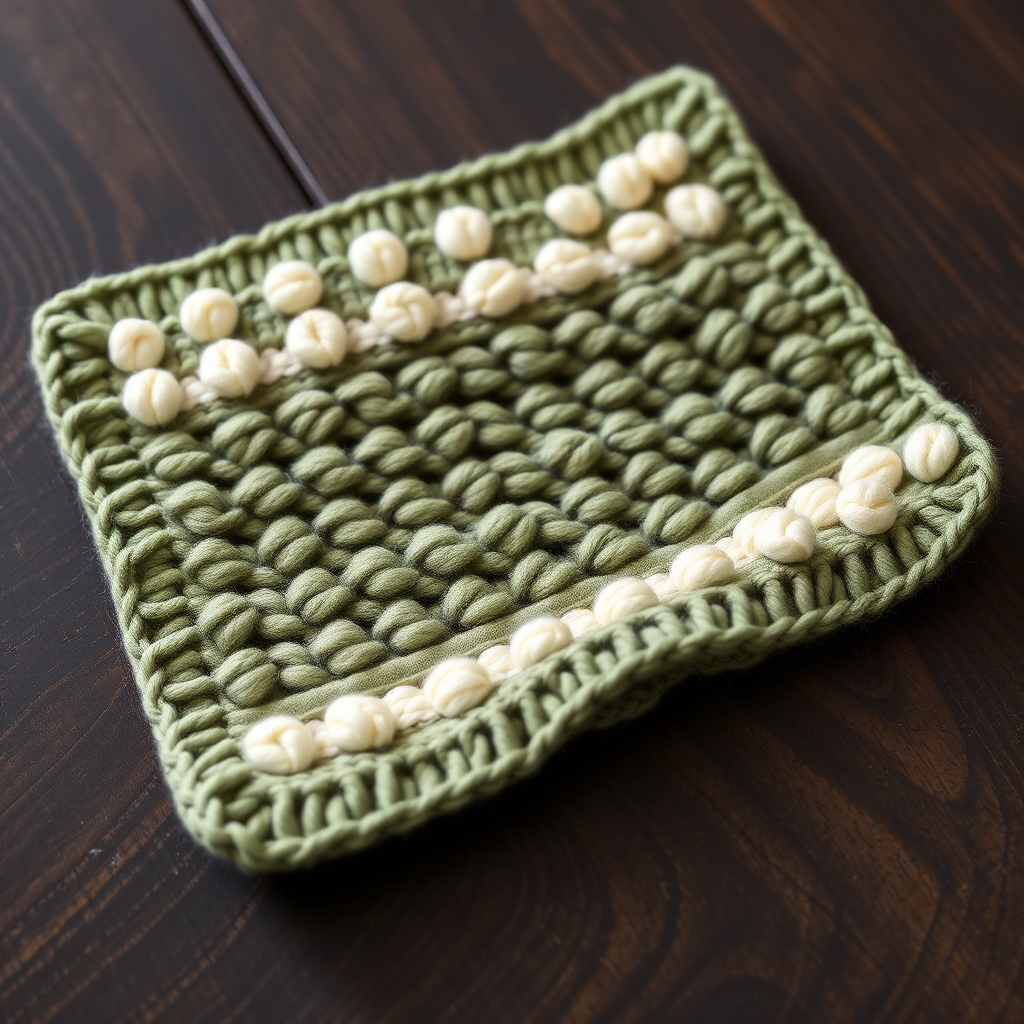
Mossy Glen Textured Washcloth: A Beginner-Friendly Knitting Pattern
Bring the serene beauty of a mossy forest floor into your home with this charming textured washcloth pattern. The Mossy Glen Textured Washcloth combines slipped stitches and delicate bobbles to create a dense, nubby fabric that's perfect for gentle exfoliation. This botanical spa square adds a touch of woodland elegance to any bathroom and makes a thoughtful handmade gift.
Despite its intricate appearance, this pattern is surprisingly beginner-friendly. The rhythmic repetition of slipped stitches and simple bobbles creates a meditative knitting experience, while the worsted-weight cotton yarn ensures quick progress. Whether you're new to knitting or seeking a relaxing weekend project, this washcloth delivers both beauty and functionality.
Materials Needed
Before you begin, gather the following supplies:
- Yarn: Worsted weight cotton yarn (e.g., Lion Brand Kitchen Cotton) in two colors:
- Main Color (MC): Sage Green – approximately 100 yards
- Contrast Color (CC): Cream – approximately 50 yards
- Needles: US 7 (4.5 mm) knitting needles
- Extras: Tapestry needle for weaving in ends, scissors, blocking mat (optional)
Gauge: 20 stitches and 28 rows = 4 inches in stockinette stitch (blocked). While gauge isn't critical for a washcloth, matching it ensures your finished piece measures approximately 9 x 9 inches.
Step-by-Step Instructions
Abbreviations
- K = knit
- P = purl
- K2tog = knit two together
- Sl = slip stitch purlwise
- Yo = yarn over
- MB = make bobble (K1, P1, K1, P1, K1 into same stitch, then pass the 2nd, 3rd, 4th, and 5th stitches over the 1st stitch)
Pattern Notes
- The washcloth is worked flat in rows.
- The slipped stitches create a woven, dense texture, while the bobbles add a bumpy, organic feel.
- Use a slip knot to cast on.
- When slipping stitches, always slip them purlwise with yarn in back (for RS rows) or yarn in front (for WS rows) unless otherwise noted.
Getting Started
Cast On: With MC, cast on 41 stitches using your preferred method. A long-tail cast on works beautifully for this project.
Foundation Rows
Row 1 (RS): With MC, knit all stitches.
Row 2 (WS): With MC, purl all stitches.
Row 3 (RS): With MC, knit all stitches.
Row 4 (WS): With MC, purl all stitches.
These four rows create a smooth garter-stitch border that will frame your textured pattern beautifully.
First Textured Section
Row 5 (RS): Change to CC. K1, *Sl 1, K1; repeat from * to end. (You will have a pattern of slipped stitches and knit stitches.)
Row 6 (WS): With CC, P1, *Sl 1, P1; repeat from * to end.
Row 7 (RS): Change to MC. K2, *MB, K3; repeat from * to last 3 stitches, MB, K2. (You will have 8 bobbles across the row.)
Row 8 (WS): With MC, purl all stitches.
Row 9 (RS): With MC, knit all stitches.
Row 10 (WS): With MC, purl all stitches.
Second Textured Section
Row 11 (RS): Change to CC. K1, *Sl 1, K1; repeat from * to end.
Row 12 (WS): With CC, P1, *Sl 1, P1; repeat from * to end.
Row 13 (RS): Change to MC. K2, *MB, K3; repeat from * to last 3 stitches, MB, K2.
Row 14 (WS): With MC, purl all stitches.
Row 15 (RS): With MC, knit all stitches.
Row 16 (WS): With MC, purl all stitches.
Repeating the Pattern
Repeat Rows 5–16 two more times (total of 3 bobble sections). This repetition creates the rhythmic, organic texture that makes this washcloth so special.
After the last repeat, work Rows 5–12 once more. This ensures your washcloth ends with the beautiful woven texture of the slipped stitches.
Finishing Border
Next Row (RS): With MC, knit all stitches.
Next Row (WS): With MC, purl all stitches.
Next Row (RS): With MC, knit all stitches.
Next Row (WS): With MC, purl all stitches.
Bind Off (RS): With MC, knit all stitches loosely and bind off as you go. Be careful not to bind off too tightly, as this will pucker the edge.
Finishing Touches
Weave in all ends with a tapestry needle, being careful to weave them through the wrong side of the work so they remain invisible on the front.
Block the washcloth to the finished measurements by wetting it, gently squeezing out excess water (never wring!), and laying it flat to dry. Shape it into a perfect square while it's still damp. Blocking will even out your stitches and give the washcloth a professional, polished appearance.
Tips for Success
- Keep your tension consistent when working the slipped stitches – this ensures an even, woven appearance.
- Practice the bobble technique on a swatch first if you're new to bobbles. The key is working all five stitches into the same stitch before decreasing them back down.
- Change colors at the beginning of a row for the cleanest color transitions.
- Count your stitches periodically to ensure you haven't accidentally dropped or added any – you should always have 41 stitches.
Creative Variations
Once you've mastered the Mossy Glen pattern, try these fun variations:
- Color Play: Swap the sage green for a dusty blue or warm terracotta to match your bathroom decor.
- Size Adjustment: Cast on more stitches (in multiples of 4 plus 1) for a larger washcloth or hand towel.
- Gift Sets: Knit a set of four washcloths in different color combinations and tie them with natural twine for a beautiful housewarming gift.
This Mossy Glen Textured Washcloth is more than just a practical item – it's a small piece of art that brings the calming essence of nature into your daily routine. The combination of soft cotton, earthy colors, and organic texture makes every use a gentle reminder of peaceful forest walks and quiet moments in nature.
Happy knitting, and may your stitches always be even and your bobbles perfectly round!


